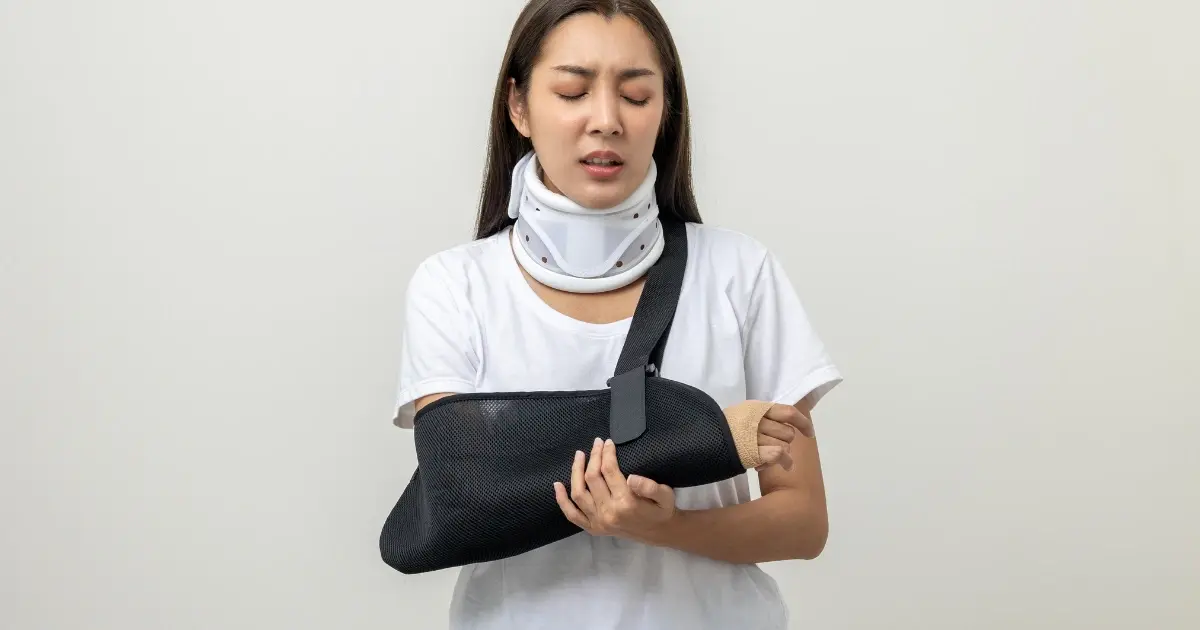

Missed mental health appointments rarely mean the patient is dismissing the importance of their health, but for injured federal workers it can indicate they may be overwhelmed by the recovery process. When recovery can include multiple specialist visits, claim calls, and additional time spent going to and from these appointments, sometimes patients choose to eliminate mental health care as the least necessary component for their recovery.
However, this could be the exact indicator of its importance as the federal worker begins to feel the weight of being off the job, with mounting pressure to speed up their recovery and return to work. Thus, cutting corners with mental health recovery is common after a workplace injury, but doesn’t have to be.
Missed appointments could be written as non-compliant when it’s a logistics issue, not a character flaw.
After a federal workplace injury, employees who used to report early and even work overtime find themselves conserving energy during recovery. It doesn’t mean they are unmotivated but shows how taxing the recovery process can be. What were once routine tasks of getting ready for work can now be more strenuous and exhausting.
When mental health sessions drop off, the attendance record can look like the patient disengaged. It doesn’t always account for what got in the way of the plan: a sleepless night, the thought of sitting in a waiting room being too strenuous, a scheduling conflict, or problems with childcare.
As a result, the “non-compliant” label follows a worker into the next status exam. It can make clinicians cautious, and the worker could become ashamed enough to stop rescheduling. One or two logistical misses could generate a character note, potentially increasing depression and anxiety that adds a reason not to try again. Even more reason to commit to the recovery plan.
What a recovery week looks like
A typical week after an accepted injury can fill up fast with appointments such as physical therapy, imaging, a follow-up with the treating physician, a call from a nurse case manager, and another request for records. Recovery is not time off work, but a sequence of obligations, all of which claim urgency.
The mental health appointment often feels like the most movable because it does not come with an orthopedic brace or a work restriction the agency can see. It is easier to push when the back is spasming, or the claims examiner needs a form by Friday. The irony is that the week gets harder when that hour keeps disappearing. The next medical visit can feel heavier because the patient arrives mentally worn down in addition to the physical healing process.
Federal workers also carry a second calendar most private patients do not: the OWCP treatment process that includes authorizations, status reports, and questions about work capacity. When those tasks collide with a therapy appointment on the other side of town, then therapy loses.
Pain, fatigue, and the drive that ends the appointment
Transportation is the most common barrier patients mention. Driving after a back, neck, or shoulder injury can be physically challenging. Some patients need to find a friend or family member to drive them to appointments, and a long car ride can undo the progress physical therapy made that morning.
Having multiple appointments in one day can cause fatigue, increasing physical and mental pain. Cancelling can feel like the only responsible choice because the patient feels too exhausted to participate.
Rural and suburban federal employees often experience this the most because the nearest clinician who understands a federal claim may not be the nearest clinician on the map. As a result, the hour on the road becomes the reason the mental health appointment never happens.
Privacy, pride, and the fear of being seen leaving
Mental health appointments are often missed or canceled because some workers fear being seen by a neighbor, coworker, or supervisor walking into a counseling office. People worry that mental health care will be read as instability, especially when a return-to-work date is already under discussion.
For others, pride can work the same way because asking for a therapy hour can feel like admitting the injury was more than physical but could indicate mental weakness. Federal employees are often hired due to their resilience. Yet, after experiencing an injury, some find it easier to keep the appointment “pending” than to sit down and say the job does not feel possible yet.
Although these responses are normal, they can be expensive. Avoiding appointments may protect the worker for a day, but it costs them in the long run.
What remote care changes on a hard day
Virtual mental health visits take the excuses away and help recovery stay on schedule. By taking advantage of a remote mental health appointment, your privacy concerns can be addressed when the appointment is in the comfort of your own home instead of walking into a clinic. For some people, this difference is what lets them keep the appointment at all.
Virtual mental health care belongs in the plan when travel or pain restrictions are the reason that keeps breaking it. Remote care is not only a convenience but also a way to protect the part of recovery that disappears when certain inhibiting factors exist.
If you have already fallen behind
A string of appointment cancellations does not close the door. Explain to your case worker or the clinician the factors involved that are prohibiting compliance. Factors such as pain, transportation, or even a depressive week should be documented in your record as context, not as excuses. This can also help the team decide whether a virtual visit should be the default for a while. Proper documentation of reasons for missed appointments is far better than silence and allowing your file to be incomplete.
Dynamic Health Complete Care
The weeks after a federal workplace injury are rarely perfect. Dynamic Health Complete Care understands the recovery challenges faced by injured federal employees, including mental health care as well as physical care. Call (888) 750-0980 for a complimentary consultation.